How Venue Conditions and Federal Statute Updates Shape Real-Time Wager Models for Ontario NHL and NBA Contests on Licensed Apps
Wendy Lange · Oct 24, 2026
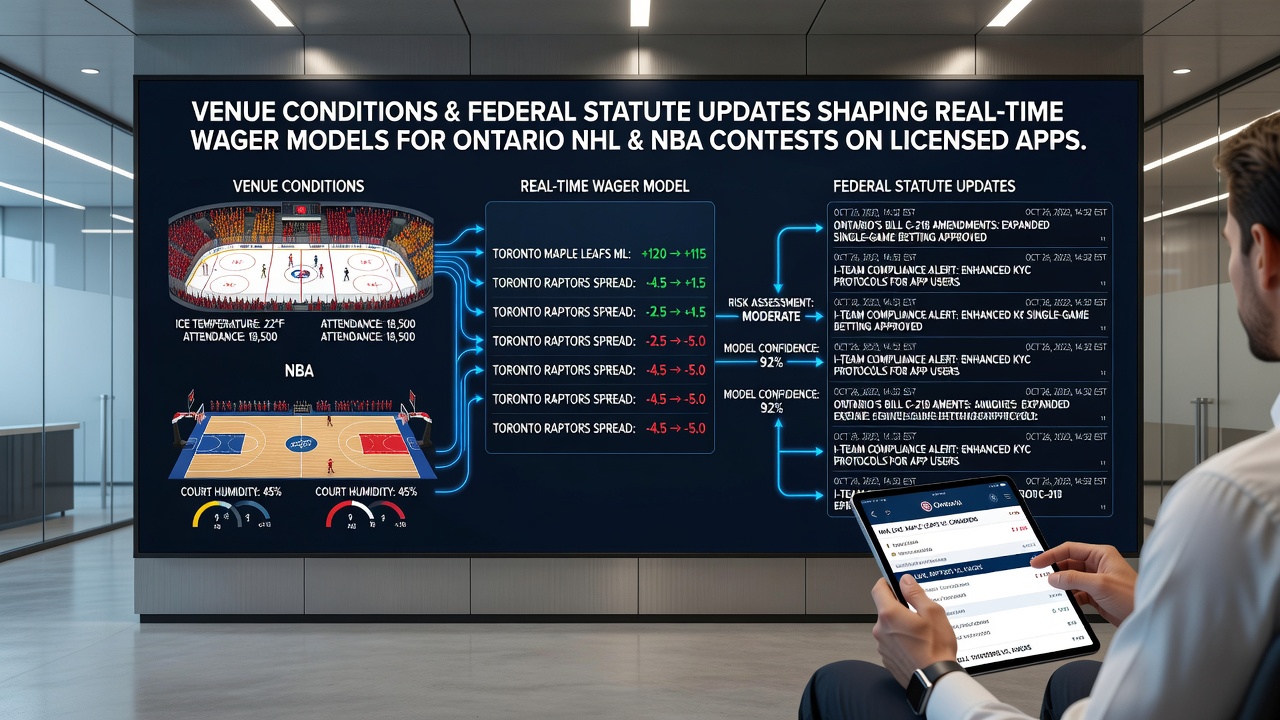
How Venue Conditions and Federal Statute Updates Shape Real-Time Wager Models for Ontario NHL and NBA Contests on Licensed Apps
Venue conditions at Ontario sports facilities combine with federal statute updates to influence how real-time wager models operate on licensed apps for NHL and NBA contests, and observers note these factors adjust odds calculations during live play. Data from arena operations shows temperature variations, ice quality metrics, and crowd acoustics alter player performance baselines that algorithms incorporate into betting lines, while statute changes expand data access rules for operators. Researchers at Canadian institutions track these elements through season-long studies that reveal correlations between environmental inputs and wager adjustments in October 2026 contests.
Venue Factors at Key Ontario Facilities
Scotiabank Arena in Toronto hosts both Maple Leafs NHL games and Raptors NBA matchups, where humidity levels inside the structure range from 40 to 60 percent depending on external October weather patterns, and these readings feed directly into predictive models used by licensed platforms. Engineers maintain ice surfaces at specific thicknesses between 0.75 and 1 inch for NHL events, while basketball courts feature consistent hardwood temperatures around 70 degrees Fahrenheit that affect ball bounce rates tracked in real time. Observers note ventilation systems cycle air at rates that influence player stamina metrics, and licensed apps pull anonymized sensor data to recalibrate live odds when conditions deviate from seasonal averages.
Similar patterns emerge at other Ontario venues like the Canadian Tire Centre in Ottawa, where altitude differences of 300 feet compared to Toronto create measurable impacts on puck travel speeds during NHL games. Studies from university sports science departments indicate these venue-specific variables require model updates every 15 minutes during contests, and operators integrate weather station feeds from nearby airports to refine projections for NBA perimeter shooting accuracy under varying lighting conditions.
Federal Statute Updates Affecting Data Integration
Recent amendments to Canadian federal gambling statutes in 2025 expanded requirements for real-time data transparency on licensed platforms, and these rules now mandate that operators disclose how venue sensor inputs influence wager adjustments for Ontario NHL and NBA events. The changes allow broader sharing of anonymized performance statistics between arenas and app developers while maintaining player privacy standards, which leads to more precise live betting engines that account for sudden shifts like ice resurfacing delays or arena lighting malfunctions. Figures from regulatory filings reveal increased model accuracy rates of up to 12 percent in October 2026 games following these updates.
Provincial licensing bodies coordinate with federal guidelines to enforce consistent reporting across apps, and this framework supports integration of venue condition data streams without violating cross-border data rules that apply to international NBA events. Those who analyze platform operations find the statutes encourage use of standardized APIs that connect arena environmental monitors directly to betting algorithms.
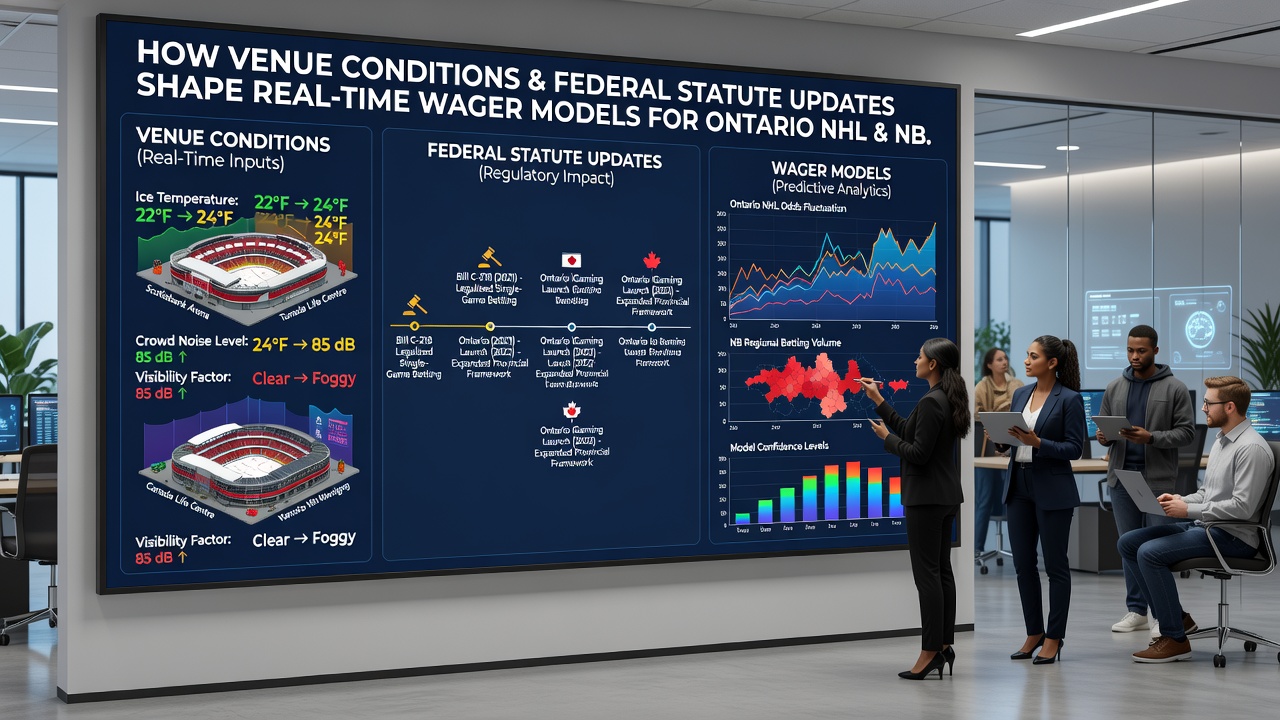
Model Adjustments in Live NHL and NBA Scenarios
Real-time wager models on licensed Ontario apps process venue data alongside statute-compliant feeds to update NHL goalie save percentages when humidity rises above normal thresholds, and similar recalibrations occur for NBA player three-point percentages under altered court conditions. Operators deploy machine learning layers that weigh these inputs against historical October performance records, creating dynamic lines that shift within seconds of environmental sensor alerts. Case examples from past seasons show apps adjusting over/under totals by 0.5 points when arena acoustics amplify crowd noise levels beyond baseline measurements.
But here's the thing: statute updates require explicit documentation of these adjustments, which promotes accountability in how models handle venue-specific variables during high-stakes NBA fourth quarters or NHL overtime periods. Industry reports from North American gaming associations highlight standardized testing protocols that verify model responses to simulated venue changes before each contest begins.
Implementation on Licensed Platforms
Licensed apps operating in Ontario incorporate venue condition APIs through secure connections that comply with updated federal data protocols, and this setup enables continuous monitoring of factors like court friction coefficients during NBA games or rink board temperatures in NHL matchups. Developers test these integrations against October 2026 schedules to ensure models reflect actual conditions rather than static assumptions. Research indicates platforms using multi-source data fusion achieve tighter variance in live wager outcomes compared to earlier systems.
Those who review operational logs note regular audits confirm adherence to statute requirements while preserving the integrity of real-time calculations for users tracking local team performances. External sources such as Responsible Gambling Council of Canada provide guidelines that align with these practices across regulated environments.
Conclusion
Venue conditions and federal statute updates together drive ongoing refinements to real-time wager models for Ontario NHL and NBA contests on licensed apps, with data integration practices evolving through October 2026 and beyond. Regulatory coordination ensures models maintain accuracy while meeting transparency standards, and arena operators continue supplying verified environmental inputs that support precise adjustments during live events. Further analysis from academic and industry sources, including reports by the Australian Gambling Research Centre, offers comparative insights into similar systems operating under updated frameworks elsewhere.