Provincial Oversight Mechanisms Guiding the Distribution of Incentives During Live NHL Matches Involving Toronto Teams on Digital Platforms
Viktor Richter · Nov 21, 2026
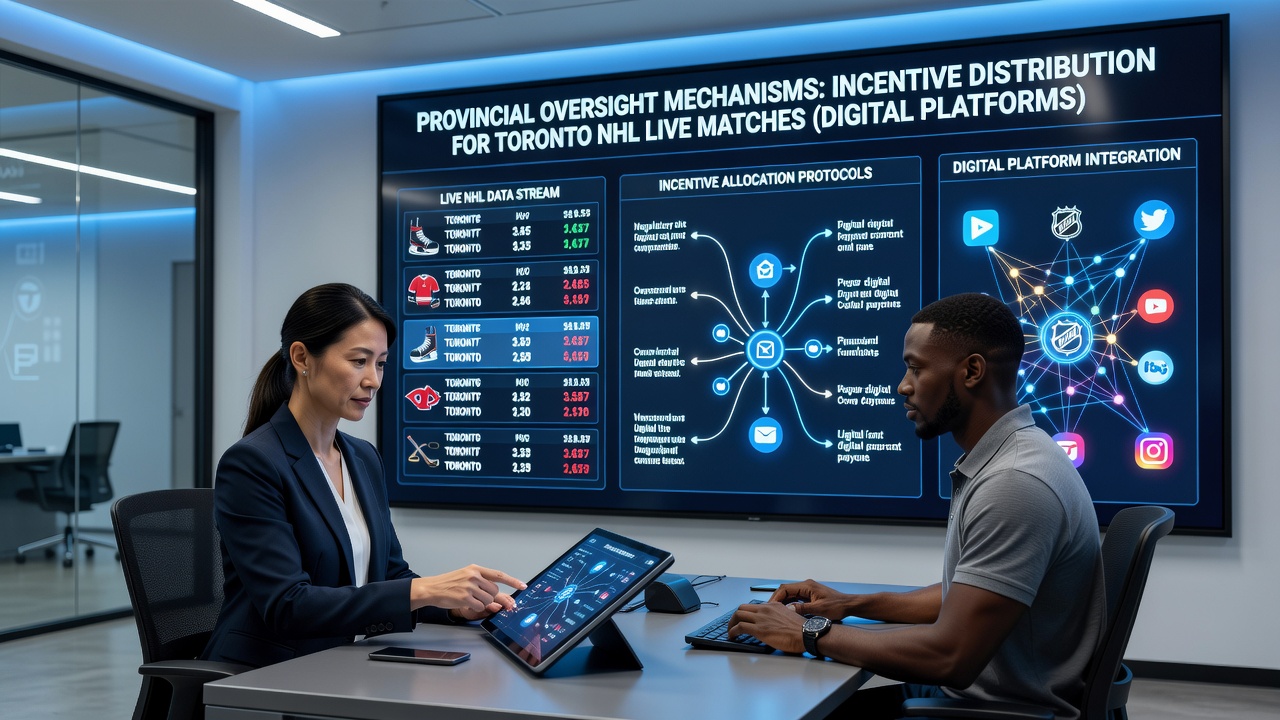
Provincial Oversight Mechanisms Guiding the Distribution of Incentives During Live NHL Matches Involving Toronto Teams on Digital Platforms
Ontario's provincial authorities maintain structured systems that direct how licensed digital platforms deliver promotional incentives during live NHL contests featuring Toronto teams and these frameworks emphasize compliance with established guidelines for bonus allocation and player protections. The Alcohol and Gaming Commission of Ontario coordinates reviews of operator submissions while data from November 2026 shows increased scrutiny on real-time promotions tied to Maple Leafs games broadcast across multiple time zones.
Core Regulatory Structures in Ontario
Provincial statutes assign the Alcohol and Gaming Commission of Ontario primary responsibility for approving incentive programs before they appear on licensed apps and operators must submit detailed plans that outline bonus triggers, eligibility criteria, and responsible gambling safeguards. These submissions undergo evaluation against standards that limit aggressive targeting during high-stakes periods such as overtime or penalty kills in Toronto matches. Coordination with federal criminal code provisions ensures that all distributed incentives remain within bounds that prevent unauthorized cross-border promotions while figures from the Canadian Gaming Association indicate steady growth in regulated handle for NHL events since the full launch of the provincial market.
Mechanisms for Live Match Incentives
Digital platforms apply automated monitoring tools that flag incentive distributions in real time and these systems connect directly to provincial oversight portals where regulators can pause or adjust promotions if patterns suggest potential harm. During November 2026 Maple Leafs home games, for instance, platforms reported incentive usage spikes that triggered mandatory reviews within hours of match conclusion yet operators retained flexibility to offer time-limited deposit matches provided they adhered to pre-approved caps on frequency and value. Research from the Canadian Centre on Substance Use and Addiction highlights how such oversight reduces excessive play by enforcing cooling-off periods immediately after live events conclude.
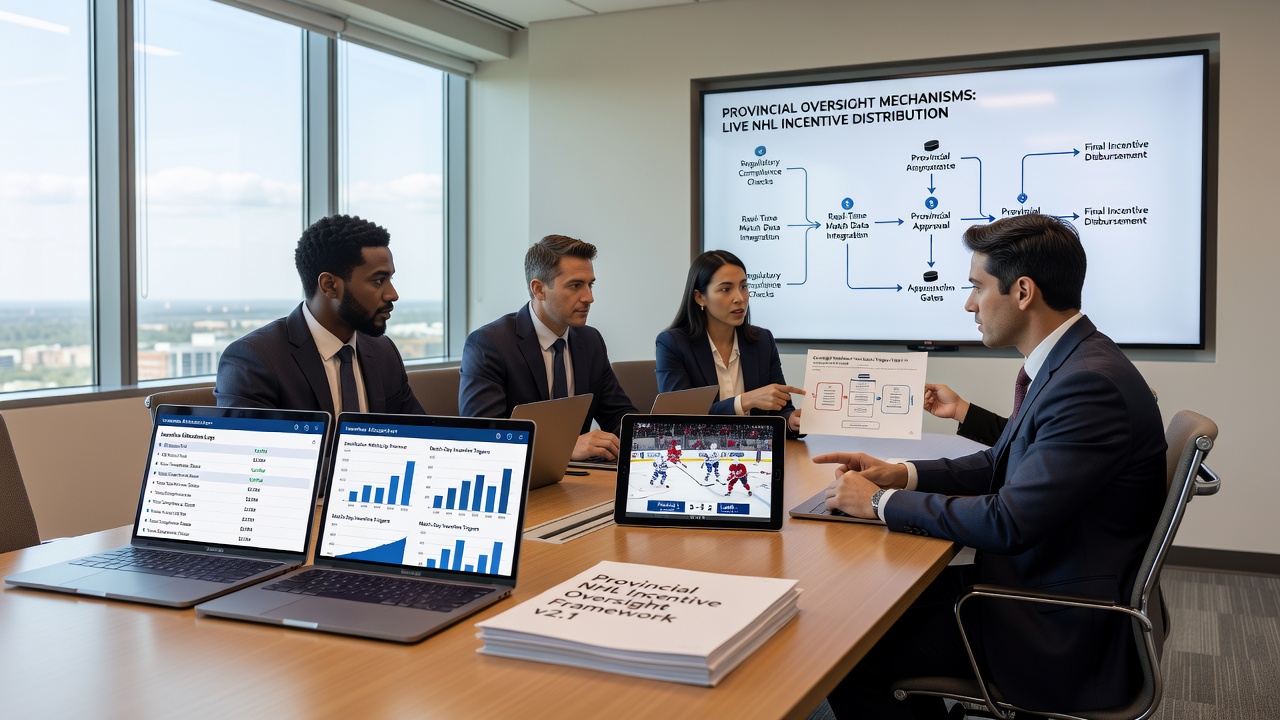
Operators integrate geofencing and identity verification layers that restrict incentive access to verified Ontario residents and these technical controls align with provincial directives that require transparent disclosure of terms before any bonus activates during a live broadcast. When Toronto teams participate in nationally televised games the mechanisms extend to third-party data feeds that verify match status before releasing conditional rewards such as cashback on losing wagers placed in specific periods. External audits conducted quarterly verify that these automated processes match the approved documentation on file with regulators.
Application to Toronto NHL Events
Live NHL matches involving Toronto teams generate distinct data streams that provincial systems use to calibrate incentive limits because high viewership correlates with elevated betting volumes and regulators adjust parameters accordingly to maintain market stability. Platforms must log every incentive instance with timestamps that correspond to game events and these records become subject to random provincial inspections throughout the season. In November 2026 observers noted that several operators introduced loyalty multipliers tied exclusively to Maple Leafs games yet all such offers passed through pre-clearance that confirmed compliance with spending thresholds and age verification protocols.
Collaboration between the provincial body and platform providers includes shared dashboards that display real-time incentive metrics and this transparency allows rapid response when unusual activity clusters around particular match moments such as power-play opportunities. Training requirements for platform staff further reinforce adherence because employees handling customer queries about live incentives receive instruction on provincial rules that govern disclosure and redemption timelines. Data shared through these channels supports ongoing refinement of oversight without disrupting the flow of approved promotions during active games.
Conclusion
Provincial oversight in Ontario continues to shape incentive distribution for live NHL events through layered approvals, technical integrations, and periodic audits that prioritize regulatory compliance across digital platforms. These mechanisms ensure that promotions tied to Toronto team matches remain consistent with established standards while adapting to seasonal viewing patterns observed through November 2026 and beyond. Continued coordination among regulators, operators, and research entities sustains the framework that governs this segment of the provincial market.