Regulatory Shifts Affecting Live Platform Incentives for Fans Tracking Local NHL and NBA Performances
Viktor Richter · Aug 29, 2026
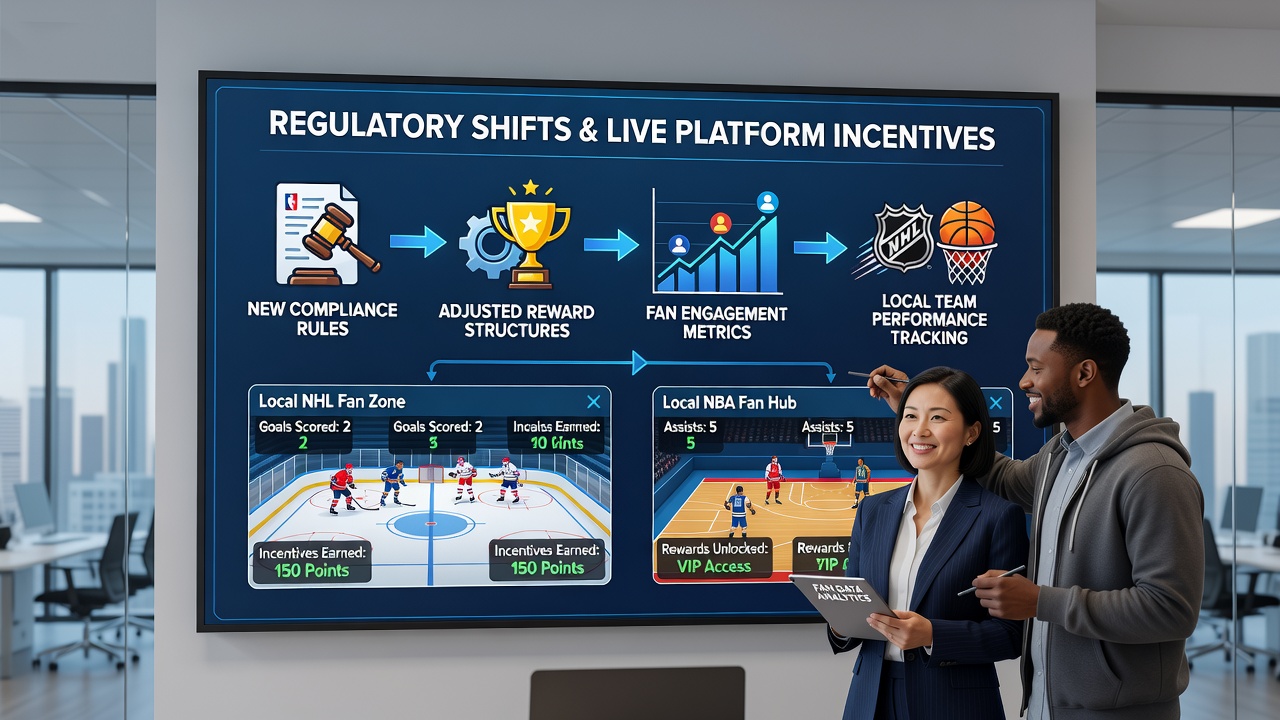
Regulatory Shifts Affecting Live Platform Incentives for Fans Tracking Local NHL and NBA Performances
Regulatory developments across North America continue to reshape how live platforms structure incentives for users who follow real-time NHL and NBA performances, and these adjustments affect reward mechanisms that platforms once offered without much oversight. In August 2026 several jurisdictions implemented updated compliance requirements that limit certain promotional structures while expanding reporting obligations for operators who provide stat-tracking features tied to fan rewards.
Key Regulatory Updates Emerging in 2026
State-level gaming authorities in the United States and provincial bodies in Canada introduced new guidelines that require platforms to separate entertainment features from any financial reward components, and this separation forces operators to redesign how they distribute bonuses to fans monitoring player statistics during live games. Data from the National Conference of State Legislatures shows that at least twelve states revised their digital platform rules between January and July 2026, with changes taking effect in August that directly impact incentive eligibility for NHL and NBA content.
Those revisions emphasize clearer disclosure of terms for any rewards linked to performance tracking, and they also mandate age-verification protocols that apply uniformly across both hockey and basketball audiences. Platforms responded by adjusting loyalty programs so that users receive non-monetary perks such as exclusive video clips or virtual badges instead of cash-equivalent credits when they follow local team metrics in real time.
How Platforms Adapted Incentive Models
Live tracking applications that once offered instant deposit matches for users who logged frequent stat checks now route those incentives through third-party loyalty networks, and this rerouting complies with rules that prohibit direct financial inducements tied to specific sports content. Observers note that operators serving markets with strong NHL and NBA followings, such as those covering Toronto, Boston, Los Angeles and New York franchises, implemented tiered reward systems where engagement levels unlock merchandise credits rather than wagering credits.
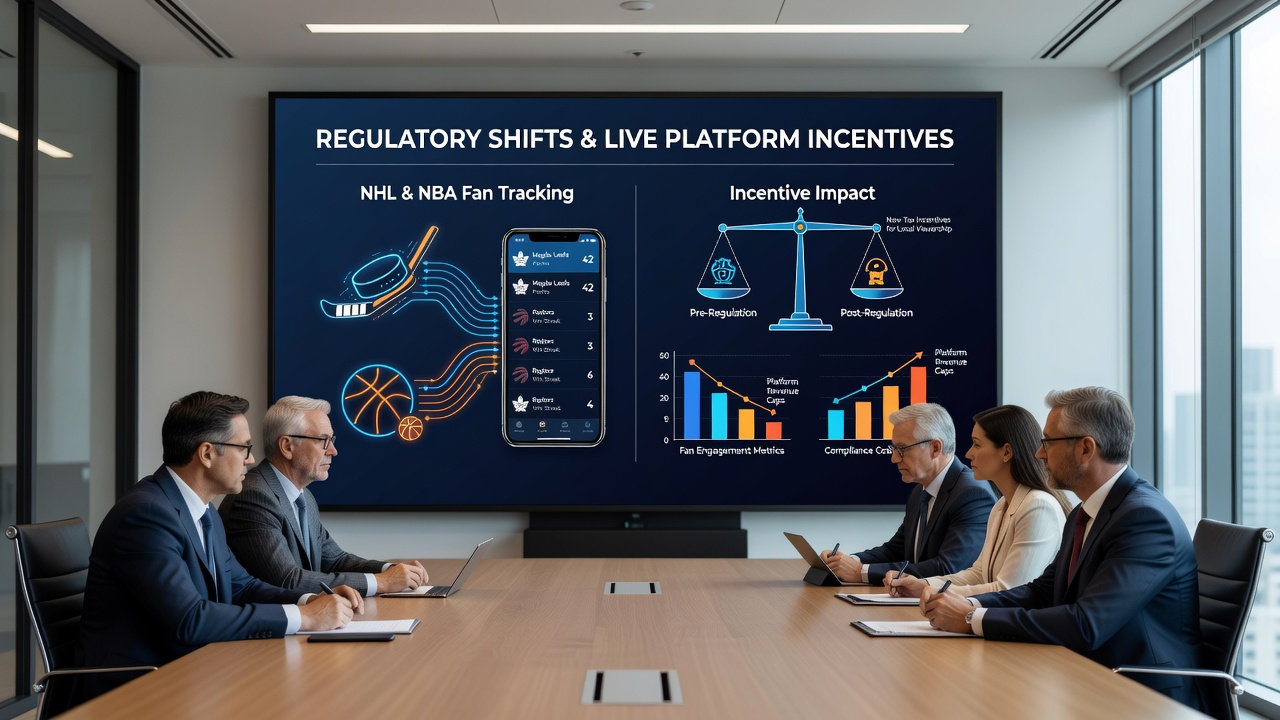
According to figures released by the Alcohol and Gaming Commission of Ontario, user participation in performance-tracking features rose 18 percent in the first month after the August 2026 rule changes, even though monetary incentive caps were lowered. Researchers at the University of Nevada, Las Vegas tracked similar patterns in several U.S. markets and found that platforms maintained engagement by emphasizing community features and shared leaderboards instead of direct payouts.
Regional Differences in Implementation
Canadian provinces applied stricter caps on reward frequency compared with many U.S. states, and this difference created uneven user experiences for fans who follow cross-border teams. In provinces that coordinate with federal digital commerce standards, platforms must submit monthly compliance reports detailing how incentives connect to live NHL or NBA data feeds, whereas certain U.S. jurisdictions allow quarterly filings that give operators more flexibility in adjusting offers mid-season.
One study released by the Canadian Gaming Association in late July 2026 indicated that 64 percent of surveyed platforms introduced new verification layers for users accessing NBA and NHL content, and these layers slowed initial sign-up flows but reduced regulatory risk. Fans tracking performances therefore encounter more prompts for identity confirmation before reward tiers activate, yet the overall volume of tracked games has not declined according to platform telemetry shared with researchers.
Impact on Fan Behavior and Platform Metrics
Engagement data collected through August 2026 reveals that users who previously chased frequent small incentives now concentrate activity around milestone rewards such as season-long stat leaderboards, and this shift aligns with rules that discourage rapid reward cycling. Platforms serving local NHL and NBA audiences report longer average session durations because users explore deeper analytics tools once quick-hit bonuses disappear.
Industry reports compiled by the European Gaming and Betting Association note parallel trends in other regulated markets where performance-tracking incentives transitioned toward educational content and fantasy-style simulations, and those markets experienced comparable retention rates after initial adjustment periods. NHL and NBA fans therefore continue to receive value through enhanced data visualizations and community challenges that platforms developed to meet new compliance thresholds.
Conclusion
Regulatory shifts implemented in August 2026 have prompted live platforms to redesign incentive structures around non-financial rewards and stricter compliance protocols while preserving core stat-tracking functionality for NHL and NBA audiences. Data from multiple regulatory bodies and academic sources indicate sustained user interest despite the changes, and operators continue to refine their offerings to balance engagement goals with evolving legal requirements across regions.